
Super-midsize jet for charter
A super-midsize jet for charter sits between light jets and large-cabin aircraft. Hourly rates run about $7,200 to $10,000, with New York to Miami near $17,500. The cabin carries 8 to 10 passengers.
- $7,200–$10,000by the flight hour
- 8-10seats filled
- 3,200 nmnormal range
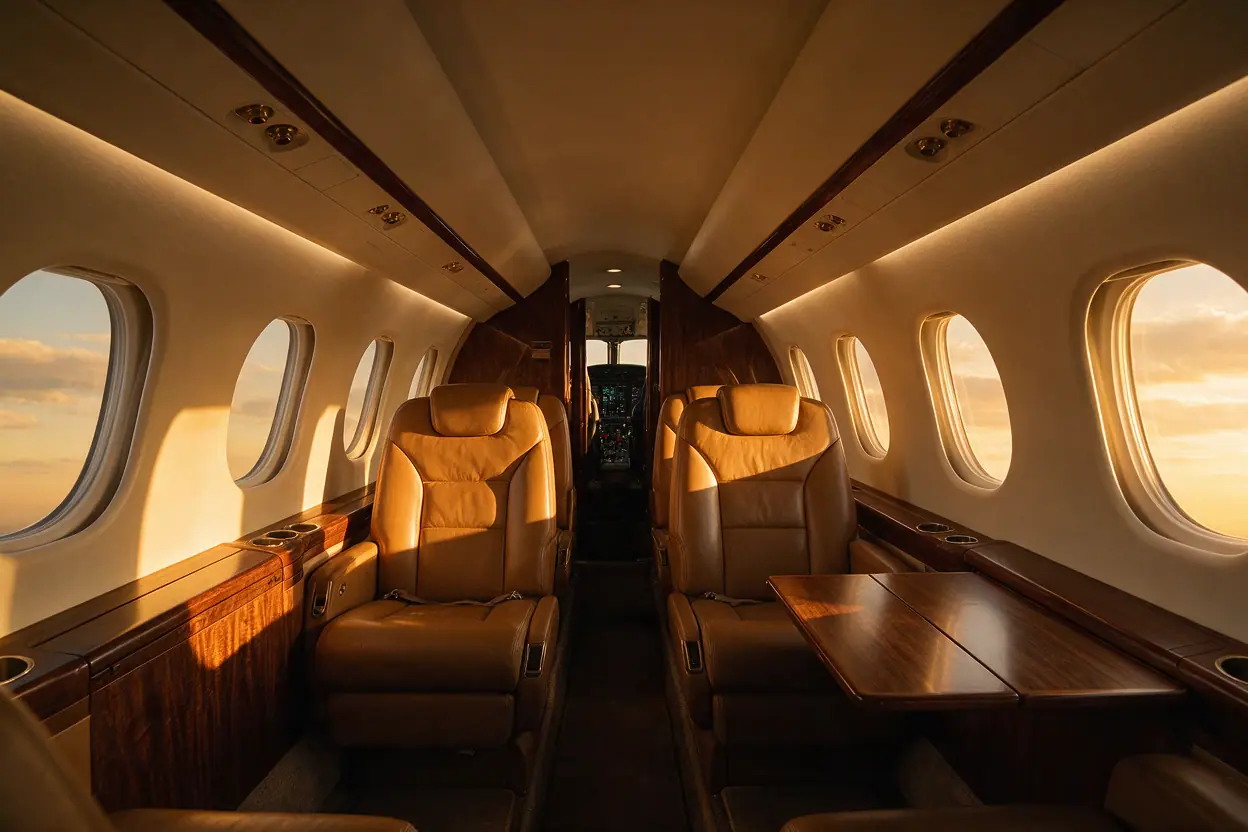
A super-midsize jet for charter is the class that gives you a stand-up cabin, real baggage space and enough range for coast-to-coast nonstops without the price of a large-cabin aircraft. Typical cruise is about 470 knots and range around 3,200 nautical miles, so a trip like New York to Los Angeles at 2,129 nm stays nonstop with room to spare.
The quote you receive is an estimate based on the route, the aircraft type, the date and how long the jet is away from its base. A short hop like Los Angeles to Las Vegas at 199 nm prices near $7,200 to $10,000, while New York to Aspen at 1,503 nm runs about $26,500 to $36,500. If your trip falls on a holiday weekend, then expect the higher end of the range because aircraft and crews book out first.
Gulfstream G280
- 9 pax
- 482 kt cruise
- 3,600 nm legs
- 154 cu ft luggage
- 289 US registration
The Gulfstream G280 carries 9 passengers at a 482-knot cruise with 3,600 nm of range. The cabin measures 6 ft 3 in tall and 25 ft 10 in long, with 154 cu ft of baggage space, which is generous for a ski or golf trip. It is the quieter and more comfortable of the two for long legs, and the extra range covers transcontinental routes with margin. Expect quotes toward the upper half of the class range. If your trip includes a high-elevation destination, then the G280 is often the safer choice.
Cessna Citation X+
- 9 pax
- 527 kt cruise
- 3,460 nm legs
- 82 cu ft luggage
- 283 US registration
The Cessna Citation X+ carries 9 passengers and cruises at 527 knots, the fastest in this class, with 3,460 nm of range. The cabin is 5 ft 8 in tall and 25 ft 2 in long, with 82 cu ft of baggage. It suits time-sensitive business trips where the schedule matters more than cabin height, and it often prices at or below the G280 on the same route. When the schedule is tight, then the Citation X+ can shave time on longer legs.
When a super-midsize jet makes sense
- You need a nonstop coast-to-coast leg: New York to Los Angeles is 2,129 nm and takes about 5h 03m in this class, which keeps a full day of meetings on both ends. When the route is longer than 1,500 nm, then a super-midsize jet often works out cheaper than a large-cabin aircraft with similar range.
- You are flying 8 to 10 people with luggage: the G280 carries 9 passengers with 154 cu ft of baggage, enough for a ski trip or a week of sales calls. If your group is 8 or more, then moving up from a midsize jet avoids splitting the party across two aircraft.
- You want a stand-up cabin: the G280 cabin is 6 ft 3 in tall, so most adults walk to the lavatory without ducking. When the flight is longer than three hours, then cabin height matters more than a few knots of cruise speed.
- You are flying into a high-elevation field: Aspen is the classic case, and the class handles the 1,503 nm leg from New York nonstop at about 3h 39m. If your destination sits above 6,000 ft, then plan on a super-midsize or larger to keep the payload and fuel you need.
What a super-midsize jet cannot do
A super-midsize jet cannot land at every airport, and short runways or weight-limited fields may push you to a turboprop or a different class. The New York to Hamptons leg at 82 nm is a case where the class fits poorly: the flight is only about 0h 29m, so a light jet or turboprop usually makes more sense. If the runway is short or the field is hot and high, then ask for the aircraft that actually fits before you compare quotes.
It also will not carry more than 10 passengers, so larger groups need a large-cabin aircraft or two jets. International legs add customs stops and crew duty limits that can change the schedule. When your trip crosses a border, then build in time for CBP clearance and confirm the airport handles international arrivals.
Popular routes and Super-midsize jet prices
Sample super-midsize routes show how distance and time drive the estimate. New York to Palm Beach is 902 nm at about 2h 19m and quotes near $16,500 to $23,000. Los Angeles to San Francisco at 279 nm runs about 0h 55m for $7,200 to $10,000. Use these as a starting point, not a firm price. When you compare quotes, then check that each one names the same aircraft type and date.

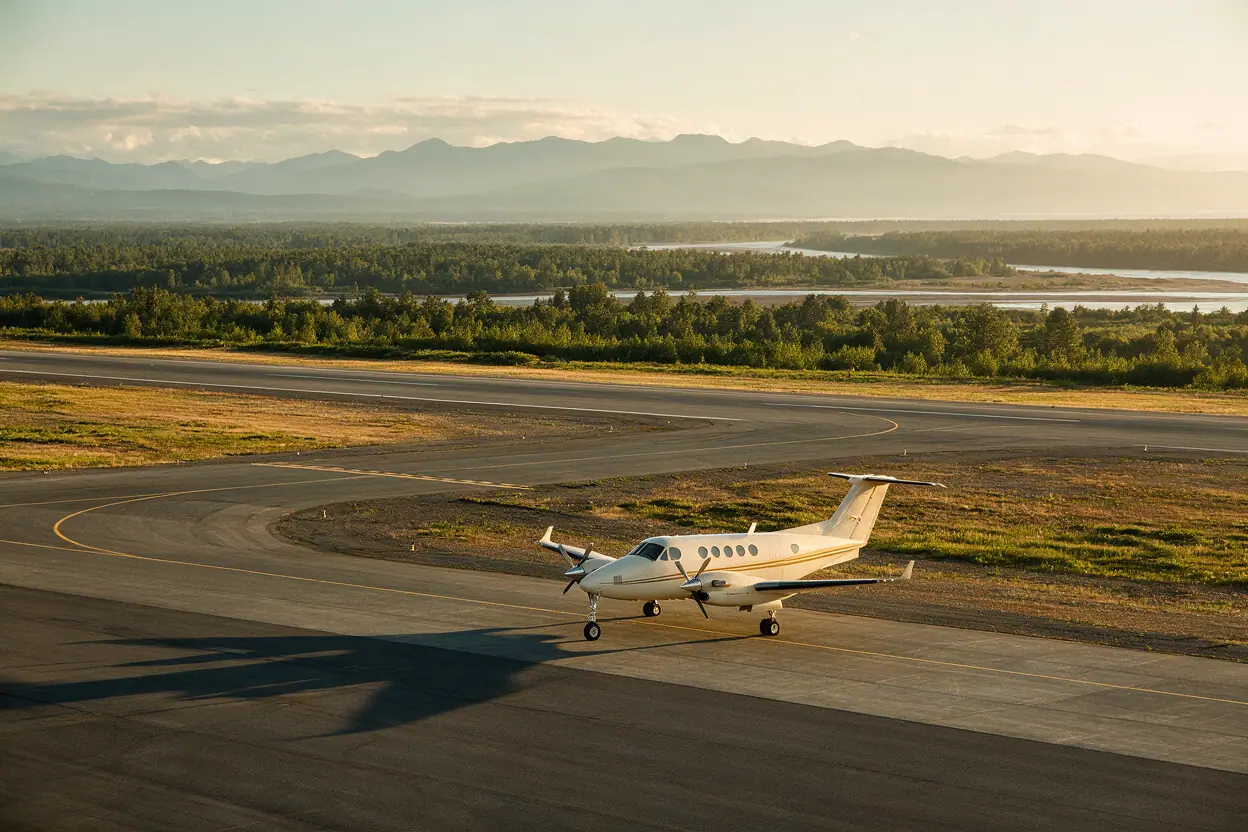


Super-midsize jet trip times and pricing by route
A super-midsize jet covers these 26 routes in 0h 29m to 5h 15m, with one-way estimates running $7,200 to $52,500.
| Trip | Duration | One-way est. |
|---|---|---|
| New York → Miami | 2h 25m | $17,500–$24,000 |
| New York → Los Angeles | 5h 03m | $36,500–$50,500 |
| Los Angeles → Las Vegas | 0h 45m | $7,200–$10,000 |
| New York → Palm Beach | 2h 19m | $16,500–$23,000 |
| Los Angeles → San Francisco | 0h 55m | $7,200–$10,000 |
| New York → Aspen | 3h 39m | $26,500–$36,500 |
| Los Angeles → Aspen | 1h 43m | $12,500–$17,000 |
| New York → The Hamptons | 0h 29m | $7,200–$10,000 |
| Chicago → New York | 1h 41m | $12,000–$17,000 |
| Dallas → Houston | 0h 46m | $7,200–$10,000 |
| Miami → Nassau | 0h 40m | $7,200–$10,000 |
| New York → Boston | 0h 39m | $7,200–$10,000 |
| Washington, DC → New York | 0h 44m | $7,200–$10,000 |
| Los Angeles → Cabo San Lucas | 2h 06m | $15,000–$21,000 |
| Dallas → Las Vegas | 2h 22m | $17,000–$23,500 |
| Chicago → Miami | 2h 35m | $18,500–$26,000 |
| Atlanta → New York | 1h 44m | $12,500–$17,500 |
| New York → Las Vegas | 4h 37m | $33,500–$46,000 |
| San Francisco → Las Vegas | 1h 06m | $8,000–$11,000 |
| Denver → Aspen | 0h 31m | $7,200–$10,000 |
| Houston → New York | 3h 03m | $22,000–$30,500 |
| Dallas → New York | 2h 58m | $21,500–$29,500 |
| Los Angeles → Honolulu | 5h 15m | $38,000–$52,500 |
| Seattle → Los Angeles | 2h 08m | $15,500–$21,500 |
| Phoenix → Los Angeles | 1h 01m | $7,500–$10,000 |
| Boston → Palm Beach | 2h 38m | $19,000–$26,500 |
Good to know
How much does a super-midsize jet for charter cost per hour?
Hourly rates for a super-midsize jet for charter run about $7,200 to $10,000, depending on the aircraft type, date and how far the jet has to reposition. A 199 nm trip like Los Angeles to Las Vegas quotes near $7,200 to $10,000, while New York to Los Angeles at 2,129 nm runs about $36,500 to $50,500. Treat every figure as an estimate until the operator confirms.
How many passengers fit on a super-midsize jet?
Most super-midsize jets carry 8 to 10 passengers. The Gulfstream G280 and Citation X+ both seat 9. Baggage space varies: the G280 offers 154 cu ft and the Citation X+ 82 cu ft, so a group with skis or golf clubs should confirm the load before booking. If your party is larger than 10, you need a large-cabin aircraft.
What is the range of a super-midsize jet?
Typical range is about 3,200 nm, with the G280 at 3,600 nm and the Citation X+ at 3,460 nm. That covers New York to Los Angeles at 2,129 nm nonstop in about 5h 03m, and New York to Aspen at 1,503 nm in about 3h 39m. Range figures assume favorable conditions, so payload and weather can reduce them.
Can a super-midsize jet fly New York to Miami nonstop?
Yes. New York to Miami is 949 nm and takes about 2h 25m in a super-midsize jet, with quotes near $17,500 to $24,000. That is well inside the class range, so the leg is nonstop with reserve fuel. The same aircraft can continue to the Caribbean, though you will clear CBP on return.
How fast is a super-midsize jet?
Cruise speed is about 470 knots for the class, with the G280 at 482 knots and the Citation X+ at 527 knots. On a 2,129 nm leg like New York to Los Angeles, that difference is modest, but it can matter on tight connections. Speed also affects fuel burn and therefore the quote.
What should I check before booking a super-midsize jet for charter?
Confirm the aircraft type, the passenger and baggage load, and the airport you will actually use. Ask whether the quote includes crew, fuel and fees, and compare at least two estimates. If an international leg is involved, check CBP clearance at the arrival airport. When comparing brokers, confirm they disclose their role under DOT Part 295.